Field notes: the punch list that started as a drone report
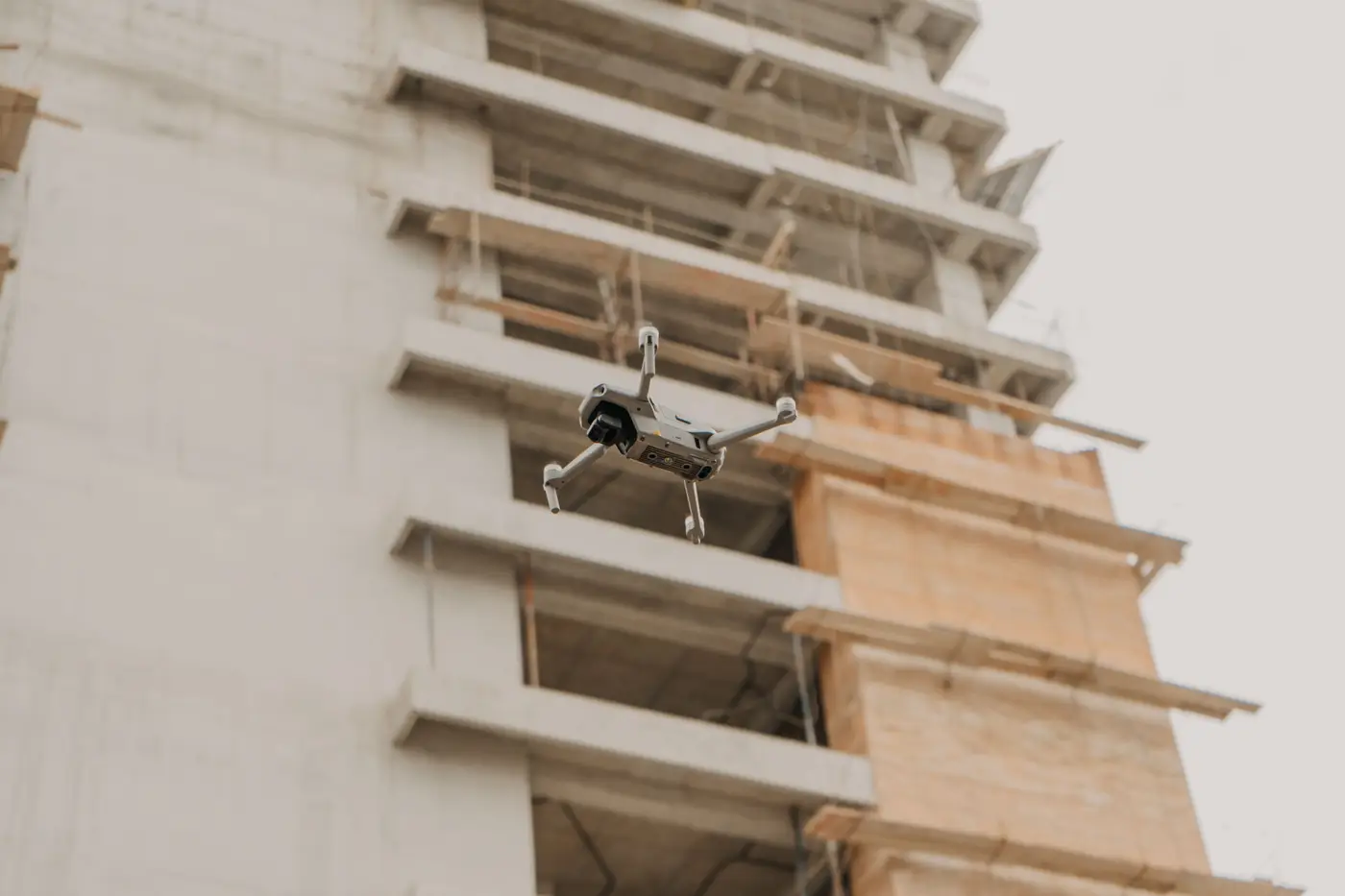
The flag came in on a Tuesday, buried in a stack of maybe forty other dots on the overlay. Most of them were nothing: a stack of pallets the model didn't know about, a generator that had been relocated two weeks earlier and nobody updated the drawing. You learn to scroll past those fast.
This one was a mechanical curb on the north mezzanine roof, tagged "elevation deviation, exceeds tolerance." Three inches low against the structural steel it was supposed to sit on. Three inches doesn't sound like much until you remember what's supposed to land on that curb: a rooftop unit with duct connections already fabricated to a specific height, ordered six weeks out, non-returnable once it ships.
I pulled the comparison up next to the RFI log and the shop drawings. Nothing in either flagged it. The steel sub had built to a field measurement that got rounded somewhere between the survey crew and the ironworkers, and the curb went in on top of that rounding. On paper, by the schedule, by every inspection that had walked that roof, it was fine. It just wasn't where the model said it would be.
What made this one worth writing up wasn't the error. Framing crews round numbers; it happens on every job. It was the timing. The curb had been in place eleven days, and the RTU was still three weeks out. There was time to call the steel sub back, shim the connection, and close it out as a line item instead of a change order. If that deviation had surfaced at as-built survey, after the unit was set and the ductwork run, it would have been a different conversation entirely, one involving a crane mobilization and a very unhappy mechanical foreman.
That's the part that stuck with me writing it up for the punch list. The item itself was small: "Reset curb C-14 to design elevation, verify with laser level before RTU delivery." One line. But the only reason it was one line and not a change order narrative with photos and a cost breakdown was that somebody, or something, caught it while the fix was still a shim and a half-day of labor.
I've been on jobs where the as-built survey at closeout turns up a dozen items like this, scattered across six months of work, with no way to tell which trade did what or when. By then the GC is negotiating backcharges and the owner's rep is asking why nobody caught it sooner. Nobody has a good answer, because the honest answer is that nobody looked until the project needed a final survey to close out the loan draw.
The curb went back on the punch list under "pre-closeout," which is a weird category when you think about it. We're used to punch lists being the thing that happens at the end, the scuffed paint and the door that doesn't latch. This one started three weeks before a crane needed to be scheduled. It felt less like a punch list item and more like a correction that just happened to use that form because that's the paperwork we had on hand.
I don't think that's a bad thing. A punch list that starts early is still a punch list. It's just doing its job on a different schedule than the one most of us are used to.
We've started pulling that overlay every month now instead of waiting for the big milestone surveys, mostly because of that one curb. It's the kind of habit that's hard to justify until it catches something, and then it's hard to justify not having. If you're running your own comparisons against a design model and want a second set of eyes on the same monthly cadence, As-Built Compare is built around exactly that workflow, catching the deviation while it's still a shim job instead of a change order.
Worth a look before your next milestone survey turns up its own version of curb C-14.