What is a clash in BIM, and how is it different from a site deviation?
A clash in BIM is a conflict inside the design model. Two trades get modeled into the same physical space before anyone pours concrete or hangs duct. A site deviation is different: it's a mismatch between what actually got built and what the model says should be there. Both are coordination problems, but they happen at different points in the job, get caught by different workflows, and cost very different amounts to fix.
What a clash is
Clash detection runs on the coordination model, before trades mobilize. Run the federated model through clash detection software and it flags geometry that overlaps, a sprinkler main routed through a structural beam, ductwork fighting a cable tray, a column landing inside a stairwell. Teams usually sort these into hard clashes (actual geometric overlap) and clearance or soft clashes (nothing touches, but there's no room left to maintain or access it).
Someone on the BIM team runs the clash report, assigns each item to the trade responsible, and tracks it through an RFI or a coordination meeting until the model is clean. All of this happens on screen. Resolving a clash means editing a model element and rerunning the check, work that happens entirely before anything gets built.
What a site deviation is
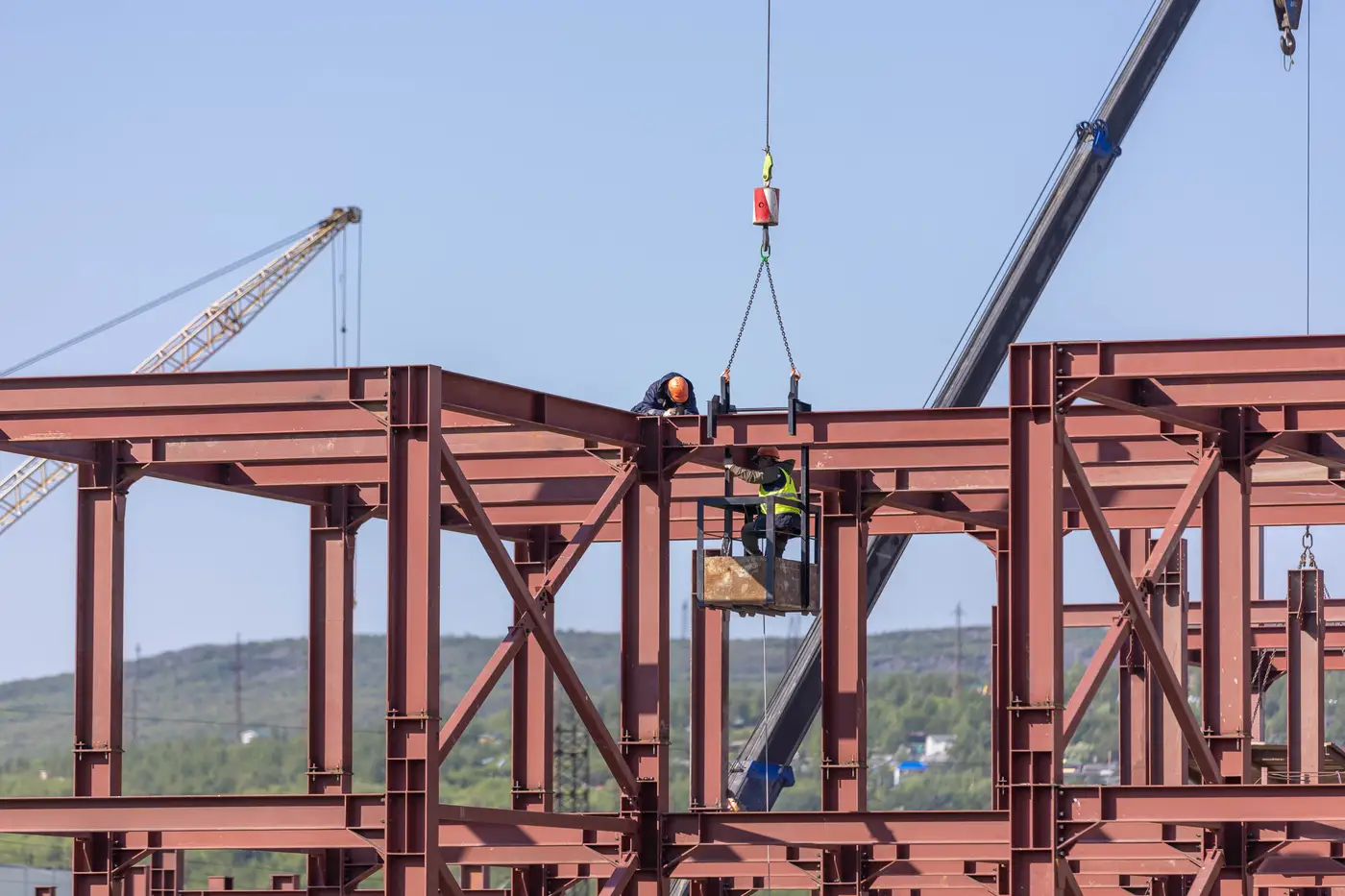
A deviation shows up after something is physically installed. A wall gets framed six inches off the coordinated line. A footing pours off centerline. A duct run that was approved in coordination gets field-routed differently because the installer hit something the model didn't catch, or just didn't follow the drawing. The model said one thing; the jobsite has another.
Catching this means comparing the built condition against the model. Traditionally that comparison happens once, at the as-built survey near project close, which is also the worst possible time to find it. By then the wall is finished, the floor above may already be framed on top of it, and whatever trade follows that deviation has been building on bad information for weeks.
Why the timing is the whole problem
A clash caught in coordination costs a model edit and a meeting. A deviation caught at closeout costs demo, rework, a schedule hit, and an argument about whose fault it was. Same category of problem, wildly different price tag, and the difference comes down entirely to when it's found.
Most jobs run heavy clash detection during design and early coordination, then don't check the as-built condition against the model again until the final survey. That gap, the months between slab pour and project close, is where deviations sit unnoticed while work keeps stacking on top of them. As-Built Compare was built for that gap specifically: a monthly drone pass reconstructs the site surface and registers it against your design model, so an out-of-tolerance element gets flagged while it's still one trade's rework instead of three.
FAQ-style quick answers
Is clash detection the same as as-built comparison? No. Clash detection compares model elements to other model elements, before construction. As-built comparison compares built conditions to the model, after construction.
Can a clash become a deviation? Only indirectly. An unresolved clash can force a field change that then becomes a deviation if nobody updates the model or verifies the fix matches what was built.
Who typically owns each process? Clash detection usually sits with the BIM coordinator and design/trade teams during preconstruction. Deviation tracking sits with the owner's rep or QA team once work is in the ground, and it's often the thinner-staffed side of the two.
If your project's clash log is clean but nobody's checked the field against the model since the slab went in, that's worth a look before it becomes a bigger tear-out.