Redline drawing vs as-built drawing: what's the difference?
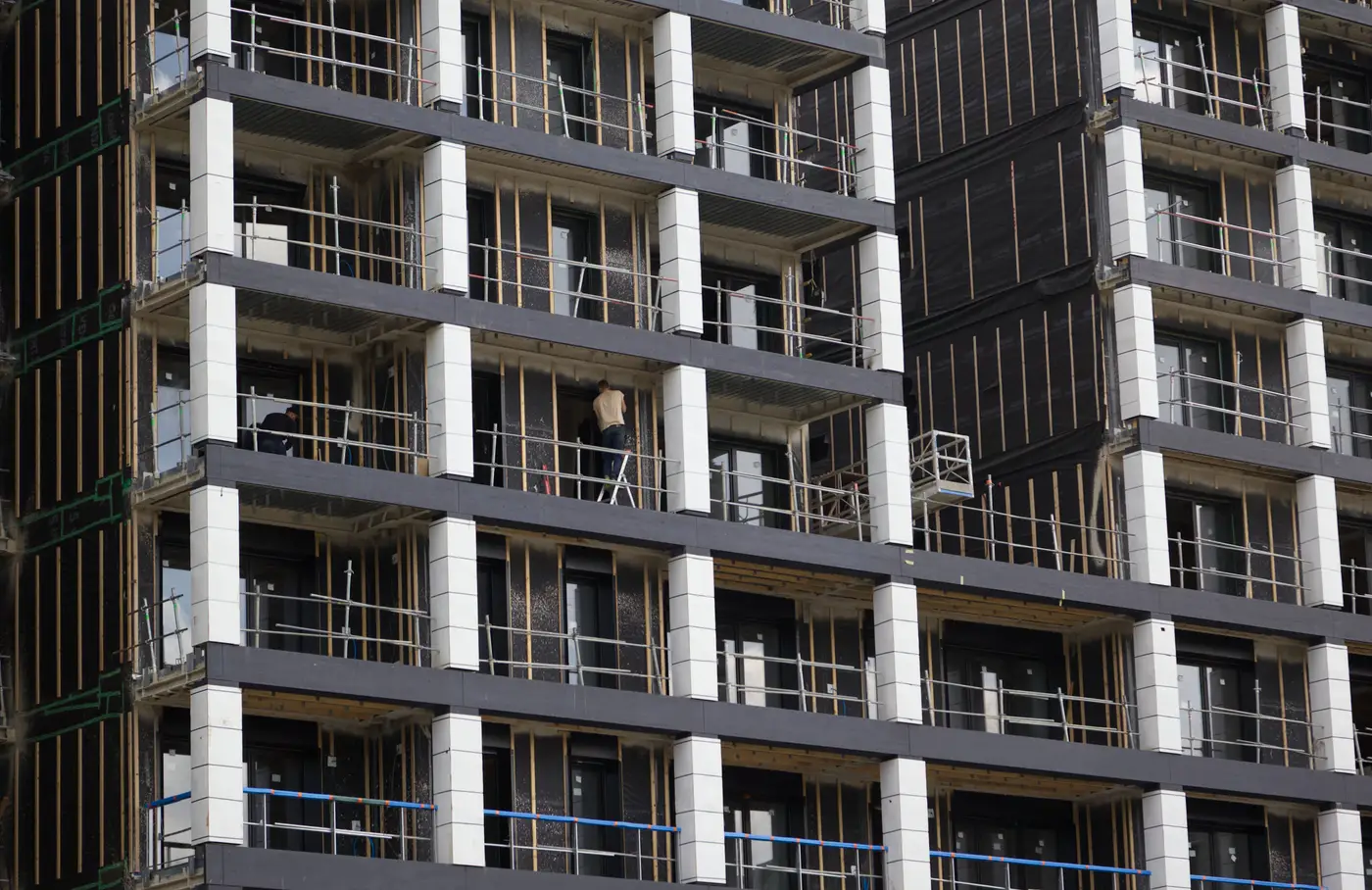
If you've ever pulled a set of drawings off a superintendent's truck dash and found half the sheets covered in red ink, you've seen a redline. If you've ever waited six weeks after substantial completion for the record set to show up from the GC's office, you've seen the other side of this question. They're related documents, but they're not the same thing, and mixing them up is how deviations sit undetected until closeout.
What a redline drawing is
A redline is a marked-up version of the construction drawings, done by hand or in a PDF markup tool, showing what actually got built or where a change happened on site. Field crews, the GC's project engineer, or an inspector will redline a sheet the day a wall gets moved eight inches to clear a duct run, or when a conduit path shifts because of a conflict nobody caught in coordination. Redlines happen continuously, sheet by sheet, as work progresses. They're a working document, not a deliverable. Nobody signs off on a redline the way they sign off on a permit set.
The problem with redlines is that they live wherever the person who made them left them. Some end up in a site trailer binder. Some get scanned and emailed. Some get forgotten on a desk when the super rotates off the job. A redline is only as good as the discipline behind capturing it in the moment, and that discipline varies a lot from crew to crew.
What an as-built drawing is
An as-built, sometimes called a record drawing, is the formal, compiled set that's supposed to reflect everything that redlines documented, incorporated into clean, updated drawings and handed over at closeout. It's the document the owner keeps for the life of the building. Facilities teams pull it when they need to know where a buried line runs. Future renovation contractors use it instead of trusting the original design set, because the design set is what was planned, not what exists.
The gap between redline and as-built is where things go sideways. Redlines are supposed to feed the as-built, but that handoff depends on someone collecting every marked-up sheet, reconciling conflicting notes from different trades, and redrawing the set before the project closes out and everyone scatters. A six-month job can generate hundreds of individual redline markups. Compiling them accurately, after the fact, from memory and scattered paper, is exactly the kind of task that gets rushed at the end of a project when everyone wants to move to the next job.
Markup drawing vs record drawing: where the confusion starts
"Markup drawing" and "redline" mean the same thing on most jobs. Both describe the same in-progress annotation, just a different name for it depending on who's writing the spec. "Record drawing" is the more formal term for the as-built, and it's the word you'll see in a contract's closeout requirements section. The real difference is timing: a redline exists the moment a change happens, while an as-built exists only after someone processes that change into a finished document, usually weeks or months later.
That lag is the real cost. If a slab pour is off tolerance, or a column grid shifted during layout, a redline might note it the same week. But if nobody checks the built condition against the design model until the as-built survey happens at project close, that deviation has been sitting there, uncaught, through every subsequent trade that built off the wrong reference point.
Field redlines construction teams can't always trust
Field redlines are honest attempts to document reality, but they're manual, and manual documentation misses things. A crew redlines what they notice. They don't redline a foundation that's two inches off plumb if nobody measured it that carefully in the first place. Redlines capture known changes, not unknown deviations.
That's the gap a monthly drone comparison against the design model is built to close, flagging out-of-tolerance elements while the work underneath them is still exposed and cheap to fix, instead of waiting for the record set to surface the problem after the building is closed up. If your current process relies entirely on redlines surviving intact until closeout, it's worth seeing what catching deviations earlier looks like.