What an IFC model is, and why a superseded baseline wrecks a deviation report
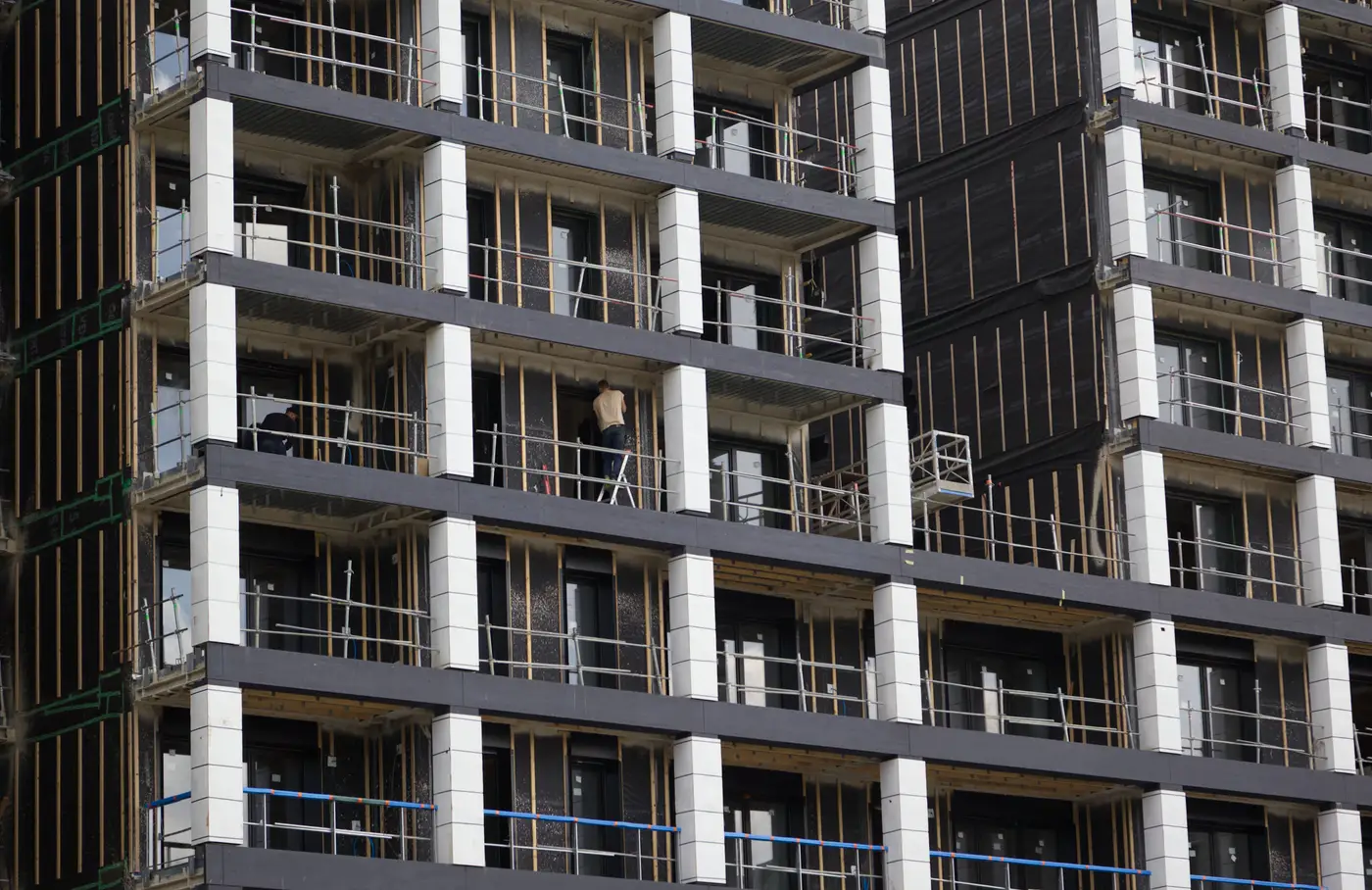
A deviation report lands in your inbox. A wall is flagged 40 mm off. A duct run shows a clash that supposedly got built anyway. Before anyone picks up a phone to chase the GC, it's worth asking one question first: which model did this get compared against?
That question matters more than most QA teams give it credit for. If the comparison ran against a model that was superseded before the crew ever broke ground on that area, the flagged item is really the gap between two rounds of design. Nothing in the field is wrong.
What "issued-for-construction" means
In this context, IFC marks a status on a drawing set: the specific revision that's been coordinated, approved, and released as the one the trades build from. It carries a revision number, an issue date, and usually a transmittal record showing who received it and when.
Everything before that stamp, every coordination model, every design-development pass, every markup round, is a draft. It can look finished. It can even be dimensionally close to what eventually got built. But it's not the record of record, and a comparison engine doesn't know the difference between a draft and a baseline unless someone tells it.
On most jobs, the IFC set gets superseded at least once before substantial completion. A beam gets rerouted around a sprinkler main. A duct shifts six inches to clear a structural member that wasn't in the original model. Each of those changes should trigger a new IFC revision, and each new revision should replace the old one as the thing everyone, including your comparison workflow, measures against.
Why the comparison breaks when the baseline is stale
Say your BIM team runs the as-built comparison against Rev 3 of the mechanical model, but the field crew correctly built to Rev 5, approved two weeks after Rev 3 went out. The report comes back full of red flags: ducts in the "wrong" place, a header that "shouldn't" be there, a run that looks rerouted for no reason. None of it is rework. All of it is the design catching up with itself before the crew ever picked up a tool.
Chase that down and you lose a day pulling transmittal logs to prove the crew built it right. Chase it down three or four times across a project and people stop trusting the deviation report altogether, which is a worse outcome than the false positive itself. Once a QA team starts treating every flagged item as probably just a stale model, instead of something worth a second look, the report has stopped doing its job.
The reverse case happens too, and it's quieter. A subcontractor is still working off a printed set from two revisions back because nobody on site got the update. The comparison runs against the current IFC model, correctly, and catches a real deviation. That one's worth catching, and it shows what matters: the comparison has to know, with certainty, which version is the record of record before it measures anything against it.
Locking a baseline before you compare
In practice this is a five-minute habit, not a process overhaul:
- Confirm the revision number and issue date on the IFC set before each comparison run, not once at project kickoff.
- Cross-check that revision against the transmittal log, so you know the field actually received it before the comparison period you're reporting on.
- Lock that specific export as the baseline for the cycle. Don't let an authoring tool silently push a live update into the file a comparison is already running against.
- When a new IFC revision supersedes the locked one, re-lock deliberately. Note the swap in whatever log you keep, so six months from now someone can see exactly which baseline produced which report.
None of this requires new software. It requires someone on the team treating "which model is this?" as a question with a specific, checkable answer, confirmed at every comparison cycle.
If your current process waits until closeout to run that comparison once against a final as-built survey, a locked baseline matters even more: there's no earlier check to catch a stale-revision problem before it compounds. Running that comparison monthly, against a baseline you've confirmed and locked ahead of time catches a drift between design intent and the built condition early enough to fix with a change order instead of a teardown.
Get in touch if you want to see how a monthly, drone-captured comparison fits into the revision habits your team already has.